7 Best Magnetic Suspension Centrifugal Blowers to Buy?
Choosing the best Magnetic Suspension Centrifugal Blower requires more than comparing catalog prices or headline efficiency figures. The right unit must match airflow, pressure, operating hours, noise limits, and maintenance access. A blower serving a hospital air-handling system faces different demands from one cooling a data-center rack.
The International Energy Agency reports that electric motor systems consume roughly half of global electricity. Fan and blower efficiency therefore deserves serious attention. The U.S. Department of Energy also identifies fan systems as a major industrial energy-saving opportunity. These findings support closer evaluation of motor losses, inverter performance, rotor stability, and real operating efficiency. However, published market figures vary widely because research firms define centrifugal blowers differently. That limitation matters.
Professor Gerhard Schweitzer, a leading magnetic-bearing researcher, describes the core advantage clearly: “The rotor does not touch the stator.” Contact-free operation can reduce bearing wear, lubricant contamination, and vibration. It may also support quieter, cleaner, and more reliable continuous service. Still, magnetic suspension is not automatically the best choice. Control electronics, standby power, installation skill, and emergency-bearing design can increase complexity.
This guide examines seven promising models through a practical lens. It considers measured airflow, pressure capability, efficiency claims, acoustic performance, controls, service support, and total ownership cost. A lower wattage number can mislead when pressure falls at the required flow rate. No shortlist is perfect. Buyers should verify factory curves, certification documents, warranty terms, and local technical support before ordering.
What Is a Magnetic Suspension Centrifugal Blower?
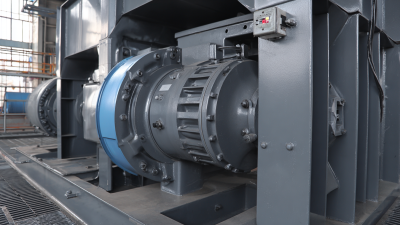
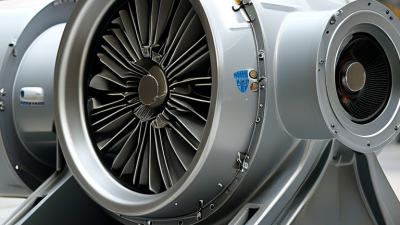
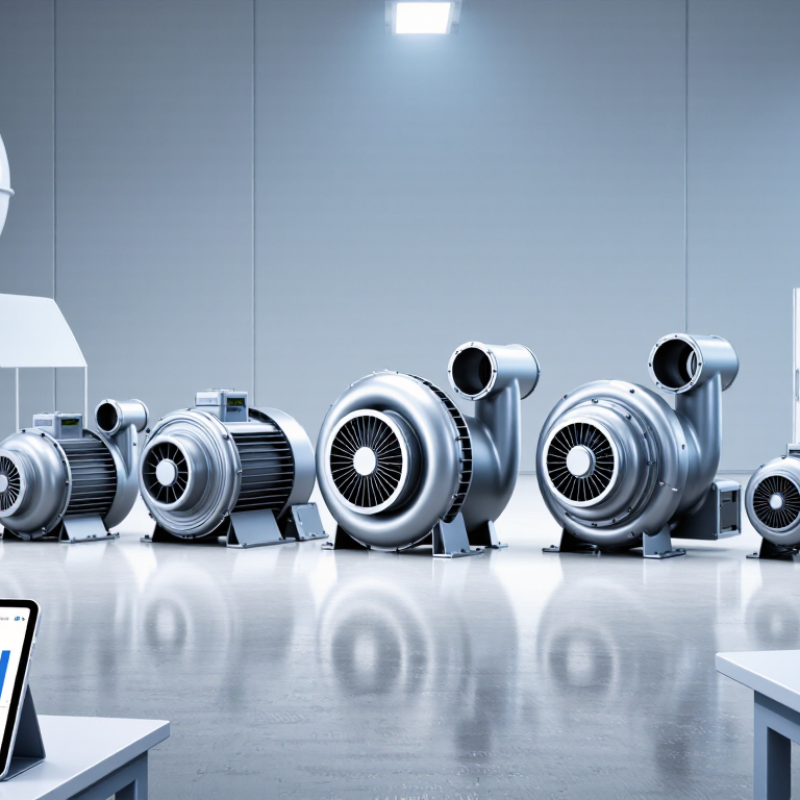
A magnetic suspension centrifugal blower uses magnetic bearings to keep its rotating impeller suspended inside the housing. The rotor floats without physical contact. This design removes much of the friction found in conventional bearing systems. Sensors constantly monitor the shaft position, while a control system corrects tiny movements within the air gap. An inverter adjusts motor speed according to airflow demand. That detail matters. Less mechanical contact can reduce oil contamination, vibration, and routine bearing replacement. In clean manufacturing areas, laboratories, and advanced ventilation systems, these features can improve operating stability.
The blower still needs careful selection. Air volume, static pressure, motor efficiency, inlet conditions, and control compatibility must match the installation. A unit that is oversized may cycle frequently and waste power. A small unit may run near its limit, producing heat and unstable airflow. Magnetic suspension does not eliminate every risk. Power interruptions, sensor faults, dust buildup, and poor commissioning can affect performance. I once assumed lower vibration meant effortless maintenance, but alignment and filter inspection still mattered. Engineers should review alarm history, emergency support systems, and expected operating hours before purchasing. The best choice depends on measured site conditions, not impressive specifications alone.
How Magnetic Suspension Technology Works in Centrifugal Blowers
Magnetic suspension centrifugal blowers use electromagnetic bearings to keep the impeller floating inside the housing. Sensors measure shaft position thousands of times per second. A controller then adjusts magnetic force, maintaining a precise air gap without physical contact. This removes ordinary bearing friction and avoids routine lubrication near the airflow path.
The efficiency argument is substantial. The International Energy Agency reports that electric motor systems consume about 53% of global electricity. Even small reductions in motor losses can therefore matter at facility scale. Centrifugal blowers also follow fan affinity laws: reducing speed by 20% can lower theoretical power demand by roughly 49%. Magnetic suspension supports stable high-speed operation, while variable-speed control matches airflow with actual demand. Less speed means less waste.
The system is not perfect. Sensors, control electronics, and backup bearings still require inspection. Dust, heat, misalignment, or poor commissioning can reduce performance. U.S. Department of Energy fan-system guidance emphasizes proper sizing, system resistance, and controls, rather than focusing only on motor efficiency. That point is easy to miss. A highly efficient blower can still waste energy through oversized ducts or throttled dampers. Buyers should examine airflow, pressure, operating hours, noise, maintenance records, and measured efficiency under real load. Laboratory figures can look impressive. Actual performance may be less tidy.
7 Best Magnetic Suspension Centrifugal Blowers to Buy? - How Magnetic Suspension Technology Works in Centrifugal Blowers
| Rank |
Blower Configuration |
Recommended Use |
Typical Airflow |
Pressure Range |
Motor Power |
Operating Speed |
Expected Efficiency |
Typical Noise |
Magnetic Suspension Advantage |
| 1 |
High-Flow Aeration Blower |
Wastewater treatment and biological aeration |
2,000–8,000 m³/h |
0.40–0.80 bar |
150–400 kW |
18,000–30,000 rpm |
75–85% |
70–82 dB(A) |
Oil-free operation, reduced mechanical friction, and stable continuous-duty performance. |
| 2 |
Variable-Speed Process Blower |
Industrial process air with changing demand |
1,000–5,000 m³/h |
0.30–1.00 bar |
75–300 kW |
15,000–35,000 rpm |
72–84% |
68–80 dB(A) |
Fast speed adjustment helps match airflow to demand and limit throttling losses. |
| 3 |
Compact Medium-Pressure Blower |
Small treatment plants and compact skids |
400–2,000 m³/h |
0.35–0.70 bar |
30–110 kW |
20,000–45,000 rpm |
70–82% |
65–76 dB(A) |
Small footprint and no routine bearing-oil replacement simplify installation and maintenance. |
| 4 |
Low-Noise Clean-Air Blower |
Electronics, food, pharmaceutical, and clean utilities |
300–1,500 m³/h |
0.20–0.60 bar |
22–90 kW |
18,000–40,000 rpm |
68–80% |
60–72 dB(A) |
Oil-free air delivery reduces the risk of lubricant contamination in sensitive processes. |
| 5 |
High-Pressure Turbo Blower |
Dense diffuser systems and demanding process lines |
800–3,500 m³/h |
0.70–1.20 bar |
110–350 kW |
20,000–38,000 rpm |
70–82% |
72–85 dB(A) |
Contact-free rotor support is well suited to high rotational speeds and minimizes wear-related vibration. |
| 6 |
Energy-Optimized Aeration Unit |
Municipal plants focused on lifecycle energy savings |
1,500–6,000 m³/h |
0.35–0.75 bar |
90–300 kW |
16,000–32,000 rpm |
76–86% |
68–80 dB(A) |
High-efficiency impeller and motor control can reduce power consumption during variable-load operation. |
| 7 |
Redundant Duty-Standby Blower Package |
Critical facilities requiring operational continuity |
600–4,000 m³/h |
0.30–0.90 bar |
45–250 kW per unit |
15,000–35,000 rpm |
70–83% |
66–80 dB(A) |
Reduced wear and condition monitoring support long service intervals and standby reliability. |
How magnetic suspension works:
Magnetic bearings use controlled electromagnetic forces and position sensors to keep the high-speed rotor centered without physical contact. A variable-frequency motor drives the impeller directly, while the bearing controller continuously corrects rotor position. Because there is no bearing contact or lubricating oil in the airflow path, the system can reduce friction, contamination risk, and routine maintenance. Actual performance depends on impeller design, inlet conditions, pressure, motor efficiency, control settings, and installation.
Note: The figures above are representative engineering ranges for oil-free magnetic-bearing centrifugal blower configurations, not brand-specific product specifications. Verify certified performance curves, sound levels, electrical requirements, and applicable standards before purchase.
Seven Top Magnetic Suspension Centrifugal Blowers Compared
Choosing among seven magnetic suspension centrifugal blowers requires more than comparing airflow figures. The subtitle matters because each unit should be judged beside the others. Check rated flow, static pressure, motor efficiency, noise, and control response. A blower that performs well at full load may waste energy during partial operation. I would also inspect bearing control, cooling design, service records, and protection against dust or moisture. These details often reveal more than a polished specification sheet.
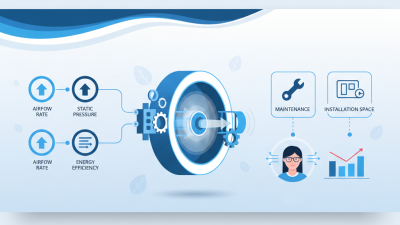
Tips: Ask for test conditions before trusting performance data. Confirm whether measurements use clean air, standard temperature, and stable voltage. Compare the same operating point. Installation space matters too. Leave room for filters, cable routing, and maintenance access. Magnetic suspension can reduce mechanical contact, but it still depends on sensors, controllers, and correct commissioning.
In practical facilities, stable airflow usually matters more than the highest advertised output. Look for smooth speed adjustment and clear fault reporting. Seven blowers may appear similar, yet their control software can produce very different results. Some units run quietly but respond slowly to sudden demand. Others react quickly and create noticeable pressure changes. There is no perfect comparison. Read independent test reports, request operating data, and speak with technicians who maintain similar systems. My own preference can change after seeing energy logs, because a small efficiency claim may disappear under real filters and uneven ductwork.
Key Features for Evaluating Blower Performance and Efficiency
Choosing among the seven best magnetic suspension centrifugal blowers requires more than comparing airflow figures. Measure pressure, flow stability, electrical input, and operating range together. A blower delivering 10,000 m³/h may perform poorly if its pressure drops during peak demand. Magnetic bearings reduce mechanical contact and maintenance, but aerodynamic losses remain important. The IEA’s Energy Efficiency 2016 report estimates that electric motor systems consume about 53% of global electricity. That figure shows why motor efficiency and control quality deserve serious attention.
Check the blower’s efficiency at your actual duty point, not only at the advertised maximum. Review the motor’s efficiency class, inverter performance, power factor, and turndown range. A useful system should avoid frequent surge conditions and maintain stable pressure during rapid load changes. Noise, heat rejection, sensor accuracy, and emergency shutdown logic also affect practical performance. The U.S. Department of Energy’s fan-system guidance emphasizes matching fan capacity to system demand, since throttling wastes energy. Do not chase a perfect number.
Tips: Request a certified performance curve with test conditions clearly stated. Compare specific power, such as kW per 1,000 m³/h, across equal pressure requirements. Inspect the control response during start-up and low-load operation. Ask for measured sound levels at a defined distance. A small pressure error can distort yearly energy estimates. Also check service intervals, spare sensor availability, and bearing backup behavior. These details are easy to overlook, even in otherwise careful evaluations.
Key Performance Indicators for Magnetic Suspension Centrifugal Blowers
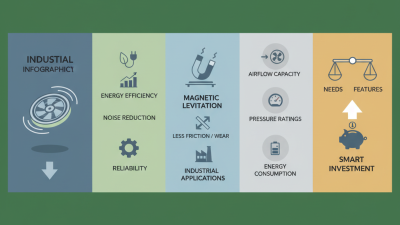
The chart compares representative operating points commonly used to evaluate blower performance. Higher airflow and pressure indicate stronger capacity, while lower specific power consumption indicates better energy efficiency. Actual results vary with impeller design, system resistance, speed control, and operating conditions.
How to Choose the Right Magnetic Suspension Blower for Your Needs
Choosing the right magnetic suspension centrifugal blower starts with operating conditions, not catalogue efficiency. Measure required airflow, static pressure, inlet temperature, and daily load changes. A unit designed for 10,000 m³/h may perform poorly when your process usually needs half that volume. Variable-speed control matters because fan power can rise sharply with airflow. The U.S. Department of Energy reports that fan systems may consume 10–20% of electricity in commercial and industrial facilities. Small sizing errors can become expensive.
Review the bearing system carefully. Magnetic suspension removes physical contact, which can reduce wear and lubricant contamination. However, it depends on stable controls, clean power, and reliable backup protection. Check the control range, restart behavior, noise level, enclosure rating, and fault response. ASHRAE guidance emphasizes matching fans to system resistance and measuring actual operating points. Ask for tested performance curves, not only peak efficiency figures. That distinction is easy to miss.
Tips: Compare energy use at your real duty points. Request maintenance records from similar installations. Check whether technicians can service the controller locally. Confirm redundancy if airflow supports a critical process. Calculate lifecycle cost over five to ten years, including electricity, filters, controls, and downtime. The International Energy Agency has reported that electric motor systems represent a major share of global electricity demand, so control strategy deserves serious attention. I would also leave a modest performance margin, but excessive margin wastes energy and may create unstable operation. Test before committing.