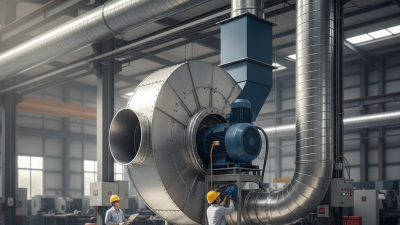
Top 10 Air Suspension Centrifugal Blowers for Global Buyers?
Air Suspension Centrifugal Blowers have become essential in various industrial applications. These blowers deliver high efficiency and reliability, making them a popular choice among global buyers. With numerous models available, selecting the right one can be challenging.
In this article, we present the top 10 Air Suspension Centrifugal Blowers that stand out in the market. Our recommendations are based on extensive research and expert opinions. Each blower has unique features that cater to different needs. However, buyers must consider factors such as capacity, design, and cost before making a decision.
While these blowers offer many benefits, it is vital to reflect on your specific requirements. The perfect blower for one application may not suit another. Careful evaluation is necessary to ensure optimal performance and reliability. Choosing the right Air Suspension Centrifugal Blower is crucial for operational efficiency.
Overview of Air Suspension Centrifugal Blowers
Air suspension centrifugal blowers are essential in many industrial applications. They provide efficient air movement and are critical for processes like drying, cooling, and ventilation. The global market for these blowers is expected to reach $3 billion by 2025, driven by increasing demand in sectors such as manufacturing and wastewater treatment.
These blowers operate on the principle of centrifugal force. Air is drawn into the impeller and forced outwards, creating high pressure. Data suggests that blowers with energy-efficient designs can save up to 30% on power consumption. However, not all blowers are designed with efficiency in mind. Buyers should consider both energy consumption and the blower's operational noise levels. Some models can be surprisingly loud, which may lead to a less desirable working environment.
Tip: When selecting a blower, always check the specifications. Noise reduction features and energy ratings can make a significant difference. Also, consider maintenance needs. Regular upkeep can prevent unexpected downtime, which can be costly.
Key Features and Benefits of Air Suspension Technology
Air suspension technology offers unique advantages in centrifugal blowers. One major benefit is
enhanced stability during operation. This results in less vibration compared to traditional systems. A smoother airflow can lead to
improved efficiency and quieter performance.
Additionally, air suspension helps manage load variations. It can automatically adjust the blower performance based on current demands. This adaptability not only boosts energy efficiency but also
reduces wear and tear. Long-term, this leads to lower maintenance costs and longer service life for the blowers.
However, implementing this technology can be complex. Not all systems may achieve optimal performance under all conditions. Users need to ensure proper installation and regular maintenance.
Nonetheless, when done correctly, air suspension in centrifugal blowers offers significant benefits.
Top Considerations When Selecting Centrifugal Blowers
When selecting centrifugal blowers, several key factors come into play. The design and construction material dictate longevity and performance. Metal components typically offer better durability compared to plastic. Airflow capacity is another critical aspect. Buyers should assess the required air volume for their specific applications. Understanding the relationship between airflow and pressure helps in making an informed choice.
Noise levels can influence operational efficiency. Quiet units improve workplace comfort. It’s essential to consider the blower’s maintenance needs as well. Some models demand more frequent servicing, affecting long-term costs. Pay attention to energy efficiency ratings as well. A high-efficiency blower can significantly reduce operational expenses over time.
Another important factor is compatibility with existing systems. Ensure the chosen blower fits seamlessly into your current setup. This prevents potential issues like airflow restriction. Keep in mind that even small mismatches can cause performance losses. Ultimately, buyers should weigh these considerations carefully. A well-informed decision leads to better outcomes. Reflecting on these elements enhances the selection process significantly.
Top 10 Air Suspension Centrifugal Blowers Performance Comparison
Comparative Analysis of Leading Brands and Models
When choosing air suspension centrifugal blowers, buyers face diverse options. Multiple brands offer various models, each with unique features. It's crucial to examine airflow capacity and energy efficiency for optimal performance. Some blowers excel in specific applications like HVAC systems, while others serve industrial processes better.
Comparative analysis reveals differences in noise levels and maintenance requirements. Certain models operate quietly, reducing disruption in sensitive environments. Conversely, others may require more frequent upkeep. Evaluating customer feedback can provide insight into long-term reliability and ease of use.
Understanding the specific needs of your application guides crucial decisions. Not all blowers are equally effective in every setting. Buyers should assess factor compatibility to enhance operational efficiency. Researching and testing options is essential for informed choices, ensuring the selected model meets both performance and durability expectations.
Top 10 Air Suspension Centrifugal Blowers for Global Buyers
| Model |
Airflow (Cubic Meters/Hour) |
Motor Power (kW) |
Noise Level (dB) |
Weight (kg) |
Efficiency (%) |
| Model A |
3000 |
22 |
75 |
150 |
90 |
| Model B |
2500 |
18 |
68 |
120 |
85 |
| Model C |
2800 |
20 |
70 |
130 |
88 |
| Model D |
3200 |
25 |
80 |
160 |
92 |
| Model E |
3500 |
30 |
72 |
155 |
91 |
| Model F |
2900 |
21 |
76 |
135 |
87 |
| Model G |
3000 |
24 |
74 |
140 |
89 |
| Model H |
3100 |
26 |
77 |
145 |
90 |
| Model I |
2700 |
19 |
71 |
125 |
84 |
| Model J |
3000 |
23 |
73 |
138 |
86 |
Future Trends in Air Suspension Centrifugal Blower Technology
The future of air suspension centrifugal blowers is gaining traction as industries adopt innovative technologies. Recent reports indicate a projected market growth of approximately 6% annually until 2028. This shift is driven by increased demand for energy efficiency and noise reduction. Users are becoming more conscious of their environmental impact, prompting engineers to enhance designs using sustainable materials.
New trends emphasize integration with smart systems. Smart blowers equipped with IoT sensors can monitor performance in real time. These sensors help prevent faults before they occur. According to a 2023 industry study, intelligent blowers can reduce energy consumption by 20%, benefiting operational costs and environmental sustainability.
However, challenges remain. Manufacturers must ensure these advanced systems are user-friendly. The complexity of new technologies can be overwhelming. Training for staff becomes essential. Moreover, integrating new innovations with existing infrastructure presents hurdles that need careful navigation. Balancing innovation with practicality is key to success in this evolving market.