When selecting a Permanent Magnet Synchronous Motor (PMSM), the expertise of industry leaders is invaluable. Dr. Emily Tran, a renowned expert in motor technology, once stated, "Choosing the right motor can transform efficiency and performance." Her insights highlight the importance of informed decisions in this field.
The PMSM market is expanding rapidly. A well-chosen motor can enhance operational efficiency. Familiarity with motor specifications is crucial. Factors such as power rating, torque, and speed must align with application requirements. Many users often overlook these details, leading to suboptimal performance.
Recent trends show a growing demand for energy-efficient motors. As industries aim for sustainability, finding the right PMSM becomes more critical. Yet, not all manufacturers provide transparent data. Buyers should question specifications and seek credible reviews to ensure reliability. This careful selection process is essential for achieving optimal results and maximizing investment in a Permanent Magnet Synchronous Motor.
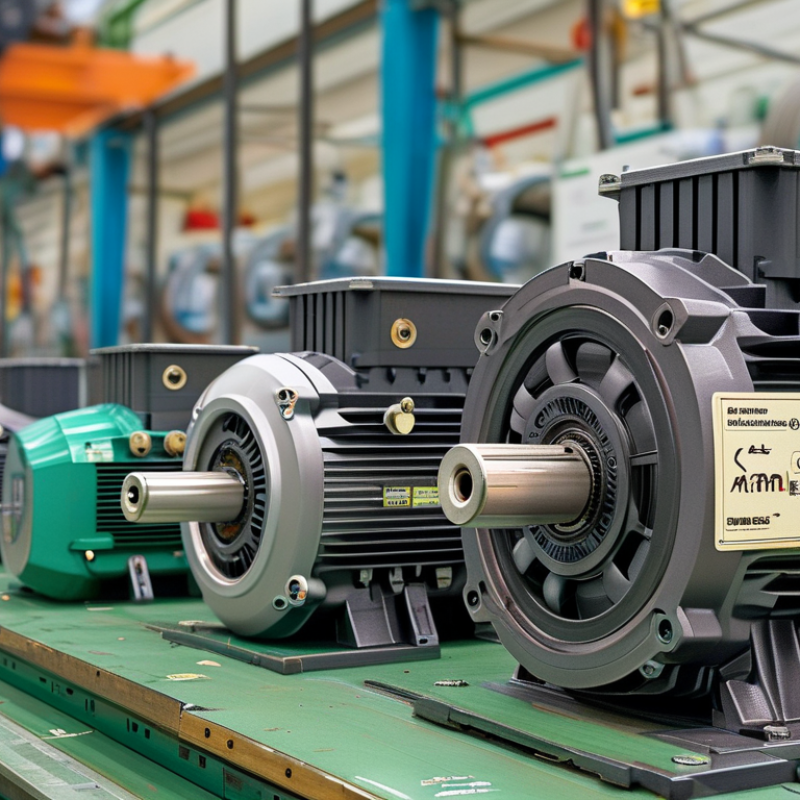
Permanent Magnet Synchronous Motors (PMSMs) are highly efficient and widely used in various applications. Understanding their basics is crucial when selecting the right motor for your project. Unlike traditional motors, PMSMs use permanent magnets embedded in the rotor. This design leads to better efficiency and performance. These motors provide high torque at low speeds, making them ideal for applications like electric vehicles and robotics. However, their reliance on rare earth materials can raise concerns about supply chains and sustainability.
When choosing a PMSM, it is vital to consider operational conditions. Factors such as temperature, humidity, and load requirements significantly influence performance. A small shift in conditions can lead to inefficiencies. It’s also important to evaluate the power supply and controller compatibility. Not all power systems suit every motor. Additionally, while PMSMs are generally reliable, they can experience demagnetization under extreme conditions. This issue highlights the need for thorough research and planning.
Selecting the right PMSM requires balancing efficiency and practicality. Though these motors offer many advantages, potential limitations must be acknowledged. For instance, their initial cost can be high compared to other motor types. Yet, the long-term savings in energy and maintenance often justify the investment. Always gather reliable data and insights before making a decision. A well-informed choice leads to better outcomes in performance and sustainability.

When selecting a permanent magnet synchronous motor (PMSM), evaluating motor specifications is crucial. Understanding the motor's voltage rating is vital. Motors are designed for specific voltage levels. Choosing the wrong voltage can result in inefficiencies or damage. Examine the torque and speed requirements as well. Different applications demand varying torque outputs. Ensure the motor can handle its operational load effectively.
Another critical aspect is the efficiency rating. A highly efficient motor saves energy and reduces operating costs. Look for motors with high power factor ratings as well. This indicates better performance under load. Factor in the thermal management system as well. It's essential to prevent overheating during continuous operation. Poor thermal management can lead to premature motor failure.
Pay attention to the motor's dimensions and weight too. These factors influence installation and overall system design. In some cases, size constraints may limit your options. Testing various motors in your specific application can yield insights. However, compatible specifications do not guarantee optimal performance. Always be prepared for adjustments as needed. Striking the right balance among these considerations is not always straightforward.
When selecting a permanent magnet synchronous motor (PMSM), efficiency and thermal management are critical. According to a report by the International Electrotechnical Commission (IEC), PMSMs can achieve up to 95% efficiency. This figure shows their potential in reducing energy costs. However, this high efficiency can lead to thermal challenges. Higher temperatures can negatively impact the motor's performance and lifespan.
Thermal management options vary significantly. Active cooling systems, such as liquid cooling, can effectively regulate temperature. A study by the Electric Power Research Institute suggests that proper thermal regulation can extend motor life by over 20%. However, these systems can increase complexity and maintenance. On the other hand, passive cooling methods, like heat sinks, are simpler but may not suffice for high-demand applications.
One must also consider the ambient conditions. Operation in a hot environment can severely influence thermal performance. A comprehensive temperature assessment is essential prior to selection. Effective identification of heat generation areas in the motor can lead to better design decisions. Nonetheless, achieving the perfect balance between efficiency and thermal management requires careful evaluation.
When selecting a permanent magnet synchronous motor (PMSM), size and weight play crucial roles. The dimensions affect how easily the motor fits within existing systems. An overly large motor may complicate installation. According to a report from the International Electrotechnical Commission, motors account for about 45% of the global electricity consumption in industrial applications. Thus, optimizing size for energy efficiency is vital.
Weight is another factor that cannot be ignored. Heavier motors can increase installation and support costs. A lighter motor, by contrast, can reduce the structural demands on mounting systems. It's noteworthy that many manufacturers now emphasize weight reduction through advanced materials. A recent study revealed that using innovative composites can lead to a weight reduction of up to 30% without sacrificing performance.
Additionally, installation constraints should never be overlooked. Limited space can restrict access and maintenance capabilities. In a smaller facility, even minor variations in motor size can complicate service tasks. Evaluating these factors carefully can lead to better long-term performance and reliability. Balancing size, weight, and installation ease may require trade-offs, and it's essential to examine each case individually for optimal outcomes.
When selecting a permanent magnet synchronous motor (PMSM), cost is a crucial factor. The initial price can vary widely. Ensure to analyze not just the purchase cost, but also the long-term expenses. Look into maintenance needs over the years. Some motors require more regular servicing. Others may have longer intervals between checks. Balancing these elements can save money in the long run.
Maintenance is vital for PMSM longevity. Routine checks keep the motor working efficiently.Choosing a motor that is simpler to maintain can reduce downtime. This can also lower repair costs. Consider the technical support available as well. A knowledgeable supplier can assist when critical issues arise.
Longevity is equally important. High-quality materials often mean a longer lifespan. Make sure the motor meets your operational demands. Assess the expected load and environmental conditions. Even a small oversight can lead to early failures. Adopting a cautious approach can lead to better choices and outcomes.
| Tip | Cost Factor | Maintenance | Longevity |
|---|---|---|---|
| 1. Determine Power Requirements | Higher power ratings generally increase cost | Minimal maintenance needed if correctly sized | Can last over 20,000 hours with proper sizing |
| 2. Assess Efficiency Ratings | High efficiency models may have higher upfront costs | Less heat generation reduces wear and tear | Higher efficiency can reduce operational hours |
| 3. Evaluate Installation Space | Custom or compact solutions can be more expensive | Proper installation reduces future maintenance | Adequate space can enhance cooling, extending life |
| 4. Choose the Right Control System | Advanced control systems increase initial investment | Higher control accuracy reduces maintenance needs | Quality controls can result in longer service life |
| 5. Research Bearing Types | Ceramic bearings cost more but improve reliability | Certain types require more frequent checks | Higher quality can enhance longevity |
| 6. Understand Cooling Requirements | Cooling solutions add to overall cost | Proper cooling minimizes downtime | Effective cooling can significantly extend life |
| 7. Assess Environmental Conditions | Specialized materials can be pricier | Environment affects maintenance frequency | Suitable materials enhance longevity |
| 8. Check Certification Standards | Compliance can raise costs | Certified products often have higher durability | Certifications can ensure longer operational life |
| 9. Look for Warranty Options | Longer warranties may mean a higher cost | Warranty services can reduce future expenses | Extended warranties reflect higher quality assurance |
| 10. Compare Total Ownership Costs | Consider all costs, not just initial purchase | Total maintenance should be factored in | Longevity also impacts total cost analysis |