Mill Roller Sleeve Buying Guide Tips for Global Buyers?
When considering the purchase of a Mill Roller Sleeve, buyers should recognize the intricacies involved in this decision. A Mill Roller Sleeve is essential for various industrial processes. Its quality directly impacts machine efficiency and product longevity. Understanding your specific needs is critical.
Many factors influence your choice of Mill Roller Sleeve. Material, design, and compatibility with existing machinery are key elements. It's vital to select a sleeve that aligns with your operational demands. Engaging with suppliers who have a strong reputation can provide valuable insights. Buyer feedback can guide you in making informed choices.
Investing time in research can save money and improve performance. Assess potential suppliers based on their experience and product offerings. Be cautious of overly cheap options, as they may compromise quality. Reflecting on your requirements often leads to better decisions. Having a reliable Mill Roller Sleeve can enhance your production line significantly.
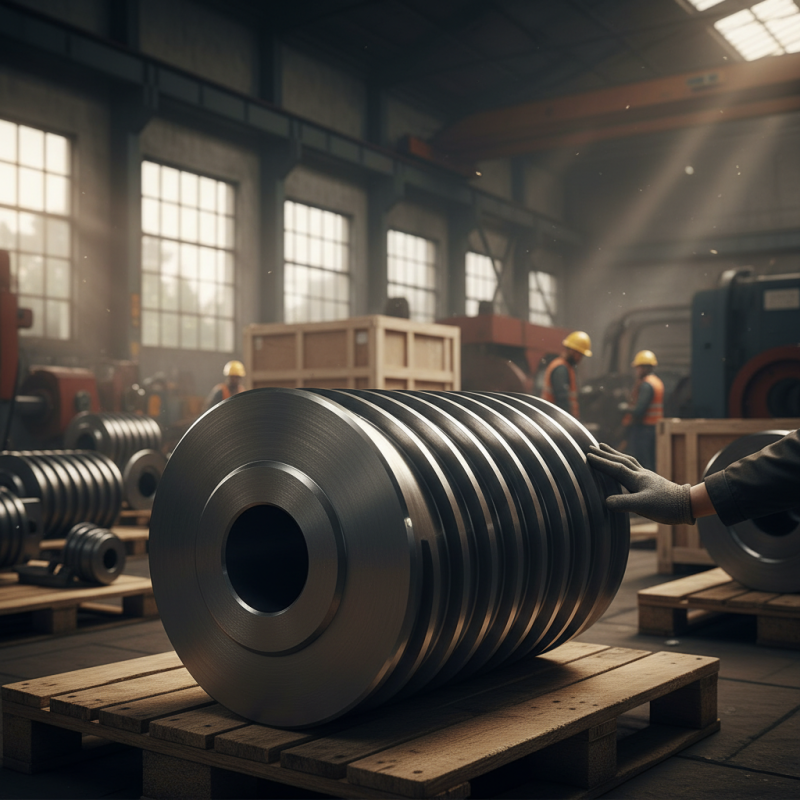
Key Factors to Consider When Purchasing Mill Roller Sleeves
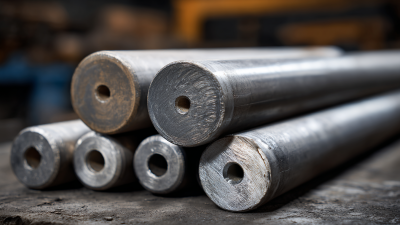
When selecting mill roller sleeves, several critical factors must be considered to ensure optimal performance and longevity. Material composition plays a key role. High-quality sleeves often feature hardening treatments or alloyed materials for enhanced durability. According to industry reports, using advanced composites can improve wear resistance by up to 30%. This is crucial in maintaining productivity and minimizing downtime.
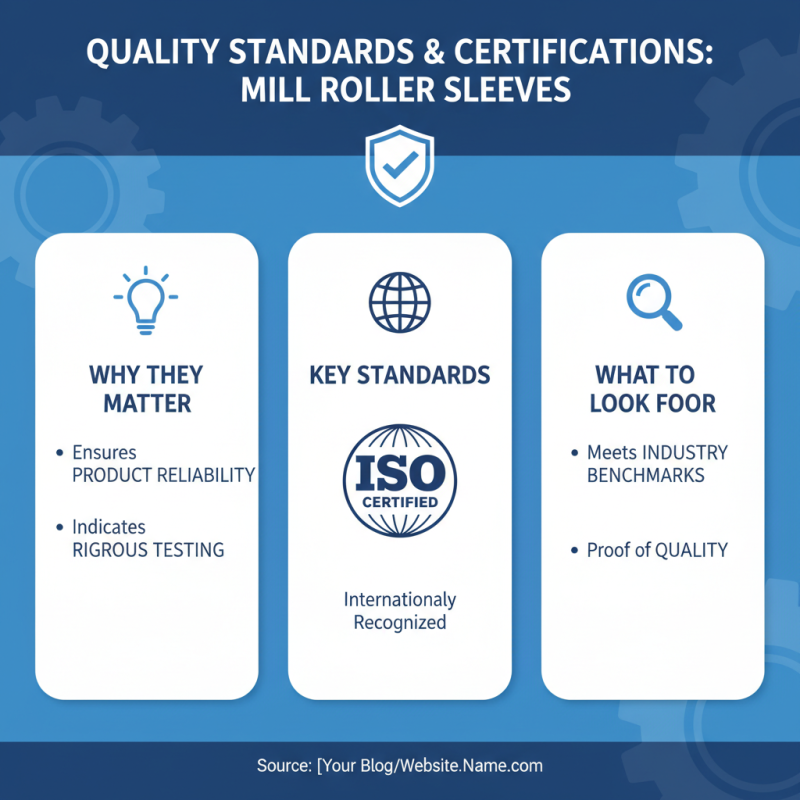
Another important aspect is the size and compatibility. Different mills require specific dimensions for proper functionality. A poor fit can lead to operational inefficiencies. Measurements must be precise. Furthermore, sourcing from reliable manufacturers can mitigate risks associated with inconsistent quality. Research indicates that manufacturers with ISO certifications tend to deliver higher-quality products. This can significantly impact the lifecycle of the sleeves.
Cost is a common concern. While cheaper options may be tempting, they often result in higher long-term costs due to frequent replacements. A well-chosen sleeve may come with a higher initial price but offer better durability and efficiency. Reflecting on these variables allows buyers to make informed decisions that enhance performance and reduce operational frustrations.
Mill Roller Sleeve Buying Guide Tips for Global Buyers
| Key Factor |
Description |
Importance Level |
| Material Quality |
High-quality materials ensure durability and performance. |
High |
| Compatibility |
Compatibility with existing mill machinery is critical. |
High |
| Cost |
Comparative pricing to ensure budget adherence without compromising quality. |
Medium |
| Vendor Reputation |
Check reviews and testimonials to gauge reliability. |
Medium |
| After-Sales Support |
Quality customer support and warranty policies. |
Medium |
| Customization Options |
Availability of custom sizes and configurations to fit specific needs. |
Low |
| Lead Time |
Time taken from order to delivery can impact production schedules. |
High |
Understanding Different Types of Mill Roller Sleeves Available Globally
When exploring mill roller sleeves, understanding the different types available can significantly enhance your purchasing decisions. Mill roller sleeves come in various designs and materials, each tailored for specific applications. For instance, some sleeves are crafted from steel, while others utilize composite materials. Each type exhibits distinct wear characteristics and performance metrics.
While some buyers prefer steel for its durability, others may opt for composites to reduce weight. It's crucial to consider the operational environment of your mill. Factors such as temperature, load, and exposure to chemicals can impact sleeve performance. Carefully assess the application before making a choice.
Furthermore, not all suppliers provide transparent product specifications. This can lead to pitfalls in decision-making. Requesting detailed performance data and compatibility information from multiple suppliers will assist in making better-informed choices. Engaging with experienced professionals or reading industry reports may help clarify the nuances of different mill roller sleeves. Understanding these elements can lead to more effective and reliable operations in your milling processes.
Cost Considerations and Budgeting for Mill Roller Sleeve Purchases
When considering the purchase of mill roller sleeves, cost plays a crucial role. Buyers must evaluate the total expenditure, not just the initial price. This often includes additional costs such as shipping, duties, and installation fees. A roller sleeve may appear affordable at first glance, but hidden costs can add up quickly.
Establishing a concrete budget is beneficial. Analyze your operational needs and production timelines. This will guide your spending and prevent overshooting your budget. It's helpful to compare similar products. Different manufacturers may offer varied pricing. Look for cost-effective options without compromising quality.
Consider longevity and maintenance as well. A cheaper sleeve may need replacements sooner than expected. This creates ongoing costs that can drain resources. Remember, investing wisely often pays off in the long run. A well-made roller sleeve can enhance productivity and reduce operational disruptions. Reflect on your choices, as the cheapest option might not be the best. Choose carefully to ensure reliability and performance.
Finding Reliable Suppliers and Manufacturers for Mill Roller Sleeves
When seeking reliable suppliers and manufacturers for mill roller sleeves, start with a thorough market analysis. Understand the specifications you need. Research different types of roller sleeves and their applications. This knowledge empowers you to make informed decisions.
Quality checks are essential. Request samples before making bulk purchases. Assess the material and craftsmanship. Look for certifications that validate the supplier's standards. Don't overlook reviews from other buyers. Positive feedback often indicates reliability.
Networking is another effective strategy. Attend industry trade shows or engage in online forums. Building relationships can lead to trustworthy connections. Stay proactive in your search, and always remain skeptical. The right supplier can enhance your production efficiency.