2026 How to Choose the Best Centrifugal Exhaust Fan?
Choosing the right Centrifugal Exhaust Fan can greatly affect your ventilation system’s efficiency. This often-overlooked component plays a crucial role in maintaining air quality. Factors such as air volume, pressure, and energy consumption are essential to consider.
Understanding your specific needs is vital. For instance, a fan designed for a dusty environment may differ from one suited for moisture-heavy areas. Failure to match these specifications could lead to poor performance, increased costs, and frequent maintenance.
Many users have faced challenges in selecting the best option. Some overlooked the size and capacity, resulting in inadequate airflow. Others failed to consider noise levels, which can disrupt the work environment. Reflecting on these experiences can guide potential buyers toward making informed decisions.
Understanding Centrifugal Exhaust Fans and Their Applications
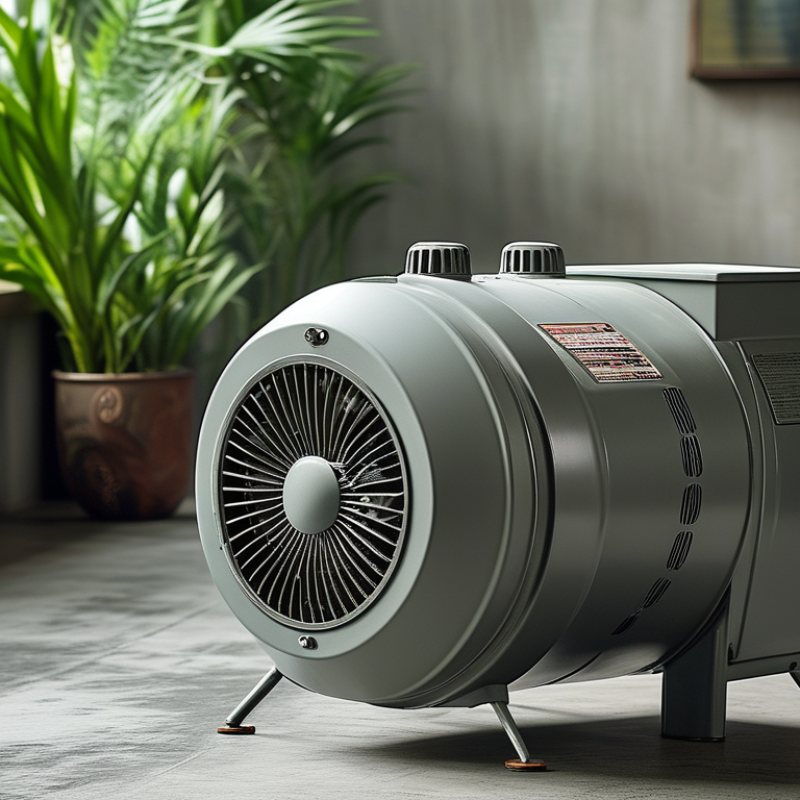
Centrifugal exhaust fans are essential in various industrial and commercial applications. They help in removing stale air, smoke, and odors from spaces. These fans operate by drawing air in, then expelling it at a higher pressure. This method creates efficient airflow necessary for maintaining air quality.
Understanding how these fans work is crucial. They can vary in size and type, depending on the application. Some are designed for high-volume air movement, while others focus on high pressure. Knowing the specifics ensures that you select the right fan for your needs.
However, not every fan is ideal for every situation. Layout, ducting, and ambient conditions all impact performance.
Installation and maintenance are also significant. Poorly installed fans can lead to inefficiencies, requiring more energy to operate. Regular checks on performance and cleaning can enhance longevity. Many overlook these factors, leading to costly repairs. Taking the time to understand these elements can save headaches down the line.
Key Factors to Consider When Selecting a Centrifugal Exhaust Fan
When selecting a centrifugal exhaust fan, several key factors must be considered. The design and operating conditions of the fan play crucial roles in ensuring efficiency. Understanding airflow requirements is essential. According to the American Society of Heating, Refrigerating and Air-Conditioning Engineers (ASHRAE), proper airflow matching can enhance energy efficiency by up to 30%.
Noise levels are another critical aspect. Fans can generate significant noise, impacting work environments. The sound level is typically measured in decibels (dB). Fans designed with noise reduction features can have levels as low as 45 dB, which is quieter than a normal conversation. This is important for settings such as schools and hospitals where quiet is paramount.
Another factor to assess is maintenance needs. Reliability is key; some fans may require more frequent checks and repairs than others. This can lead to unexpected costs. Data from industry surveys suggest that poorly maintained systems can lose up to 50% of their efficiency over time. Choosing a centrifugal exhaust fan with a robust design and low maintenance needs can mitigate these risks. Understanding these dynamics is essential for making informed decisions.
2026 How to Choose the Best Centrifugal Exhaust Fan?
Analyzing the Specifications of Centrifugal Exhaust Fans
When selecting a centrifugal exhaust fan, analyzing specifications is essential. These fans differ significantly in performance. Factors like airflow rate, static pressure, and power consumption greatly influence their efficiency. Look for fans with high airflow capacity measured in cubic feet per minute (CFM). This metric tells how effectively the fan can move air.
Static pressure rating is another crucial aspect. It indicates the fan's capability to overcome resistance in ductwork. A higher static pressure allows for better airflow in systems with filters or long ducts. Additionally, consider the motor type. Permanent split capacitor (PSC) motors often offer better efficiency and quieter operation than other types.
Additionally, assessing the construction quality is vital. Materials affect durability and noise levels. Poorly constructed fans may vibrate more, leading to inefficient performance. Examine the noise rating in decibels (dB). Lower noise ratings contribute to a more comfortable environment. Some centrifugal fans may not meet your expectations in real-world applications, necessitating careful analysis. Make decisions based on detailed specifications to ensure reliability and effectiveness.
2026 How to Choose the Best Centrifugal Exhaust Fan?
| Specification |
Description |
| Airflow Rate |
Measured in CFM (Cubic Feet per Minute); indicates the volume of air the fan can move. |
| Static Pressure |
Measured in inches of water gauge; it indicates the resistance the fan can overcome in the duct system. |
| Noise Level |
Measured in decibels (dB); refers to how loud the fan operates during use. |
| Motor Power |
Measured in HP (Horsepower); indicates the power used by the fan's motor. |
| Voltage Rating |
Indicates the electrical supply voltage required for operation, commonly 120V, 230V, or 480V. |
| Fan Speed |
Measured in RPM (Revolutions Per Minute); indicates how fast the fan blades are spinning. |
| Dimensions |
Physical size of the fan, generally measured in inches (diameter for round fans). |
| Material |
Commonly made of metal or high-grade plastic; affects durability and weight. |
Comparing Energy Efficiency and Noise Levels in Exhaust Fans
When choosing a centrifugal exhaust fan, energy efficiency and noise levels are crucial factors. Energy efficiency determines how much power the fan consumes while operating. A well-designed fan will provide adequate airflow without excessive energy use. Look for fans with a high efficiency rating. This will save money on utility bills and reduce environmental impact.
Noise levels are equally important, especially in residential areas or quiet workplaces. Fans can produce varying noise depending on their design and motor type. Some fans operate quietly, while others generate noticeable sound. It's vital to understand the noise rating of a fan before purchase. You don’t want a fan that disrupts daily activities or disturbs the peace.
Many buyers overlook the balance between efficiency and noise. A highly efficient fan may produce more noise, impacting comfort levels. Conducting research by reading customer reviews can provide insight. Listening to product demonstrations can help gauge noise levels. A thoughtful approach will lead to a satisfactory choice that meets both performance and comfort needs.
Common Brands and Models of Centrifugal Exhaust Fans to Explore
When selecting a centrifugal exhaust fan, it’s crucial to explore various brands and models that have proven reliable in the industry. Reports from the Air Movement and Control Association indicate that 30% of operational failures in HVAC systems stem from suboptimal fan performance. Therefore, reviewing established options is essential. Look for fans offering high efficiency, low noise levels, and robust construction.
Some common models available in the market include those with backward inclined blades. These designs often provide better airflow rates while minimizing noise, crucial in industrial applications. Additionally, brands focusing on energy efficiency often showcase fans that comply with environmental standards, reducing energy consumption by up to 25%. Such performance metrics are vital for both sustainability and cost savings.
It’s important to acknowledge that not all centrifugal fans perform equally in varied conditions. Factors such as humidity and temperature can affect overall output. Users should research specifications and consider how changing environments might impact efficiency. This approach requires continuous reflection and adjustment to ensure optimal performance over time.