10 Essential Tips for Choosing the Right Centrifugal Blower
Choosing the right centrifugal blower requires careful consideration and expertise. According to industry expert Dr. Emily Carter, “Selecting the appropriate blower can significantly impact system performance.” The decision-making process involves understanding your specific application and operational requirements.
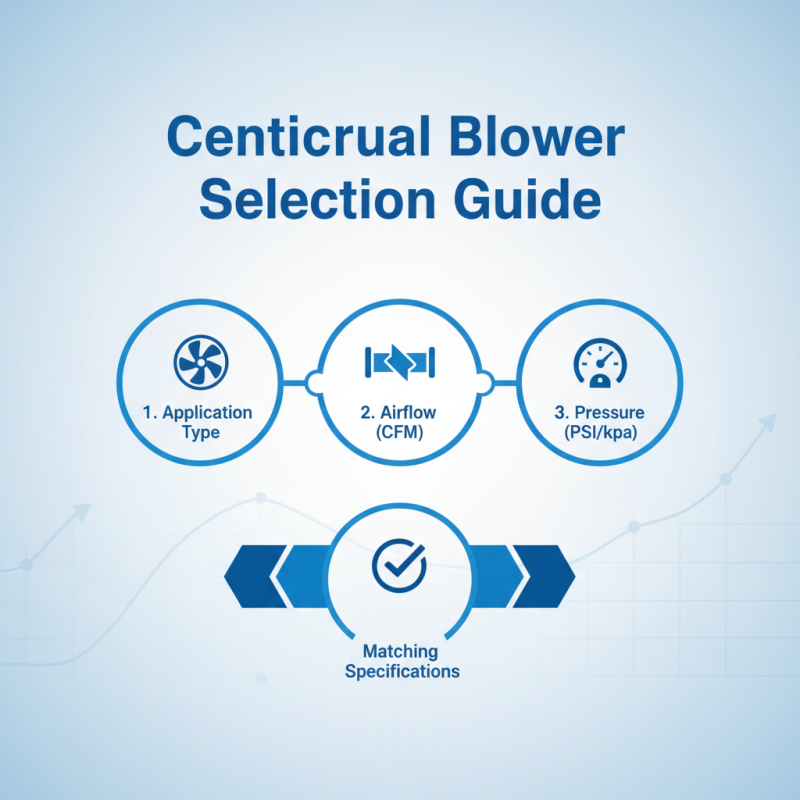
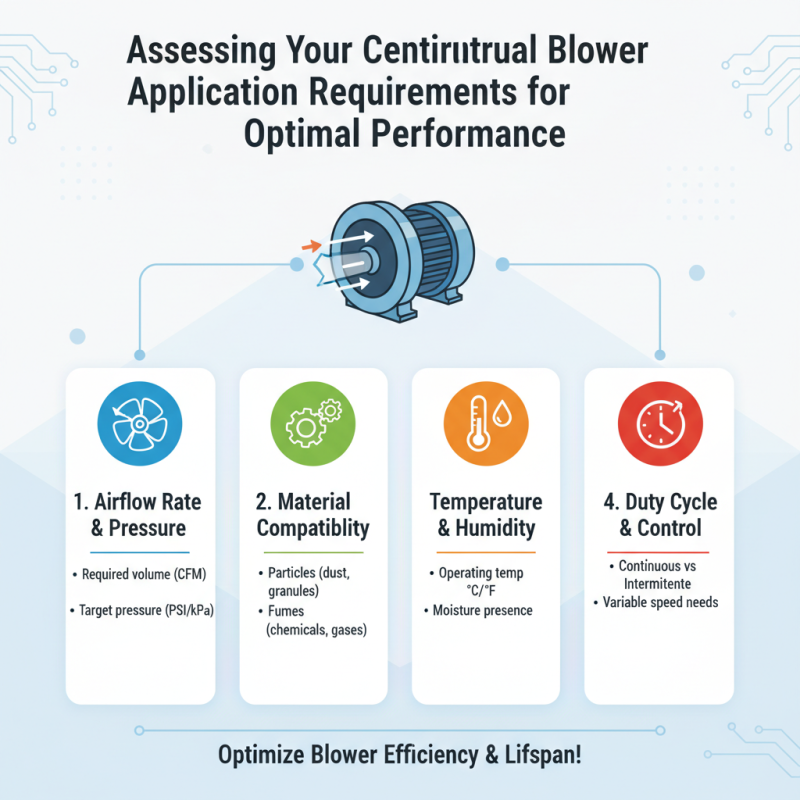
Centrifugal blowers come in various sizes and configurations. This makes selecting the right one challenging yet crucial. Factors such as airflow requirements, pressure levels, and energy efficiency play vital roles. Dr. Carter emphasizes the importance of matching the blower’s capabilities to the needs of your system.
It's easy to overlook nuances in design and functionality. Mistakes in selection can lead to inefficiency or even system failure. Understanding the unique characteristics of different centrifugal blowers is paramount. Always consider reliability and manufacturer support during your choice. Such due diligence ensures not just performance but also longevity in operation.

Understanding the Basics of Centrifugal Blowers
Centrifugal blowers play a crucial role in various industries, driving air and gas through systems efficiently. Understanding their basic components and functions is essential for making informed choices. These blowers typically consist of an impeller, diffuser, volute, and motor. The impeller creates airflow by converting mechanical energy into kinetic energy. The efficiency of this process can significantly impact operational costs.
Industry studies indicate that incorrectly chosen blowers can lead to energy inefficiencies of up to 30%. Performance ratings often reflect the volumetric flow rate and pressure capabilities of a blower. Depending on the application, selecting a blower with the right specifications is critical. For instance, in wastewater treatment facilities, the need for durable blowers can reflect in maintenance costs and system longevity.
The implications of poor selection can be far-reaching. Energy consumption rises, leading to increased operational expenses. Additionally, inadequate airflow can affect downstream processes, causing bottlenecks. For example, a hospital's air handling system relies on precise airflow for maintaining sterile environments. The selection process must consider both the immediate needs and future scalability. Monitoring industry trends and performance benchmarks can aid in this complex decision-making process.
Evaluating Noise Levels and Energy Efficiency in Blowers
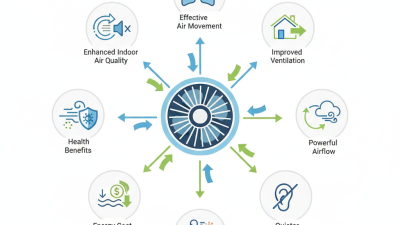
When evaluating centrifugal blowers, noise levels and energy efficiency are critical factors. The noise generated by a blower can significantly affect workplace comfort. Data shows that a reduction of just 3 dB in noise can improve the working environment, making it feel half as loud to the human ear. Selecting a blower with lower decibels is vital, especially in densely populated areas or facilities where employees work long hours.
Energy efficiency cannot be overlooked. According to industry reports, energy-efficient blowers can reduce operating costs by up to 30%. The initial higher purchase price might deter some buyers, but the long-term savings justify this investment. Look for blowers with high efficiency ratings; this will not only help in saving costs but also reduce your carbon footprint.
Moreover, organizations should not ignore the importance of regular maintenance. Blowers that are not well-maintained can operate less efficiently, resulting in higher energy consumption. Regular checks can ensure optimal performance and longevity. Balancing noise reduction and energy efficiency can be challenging, yet essential for sustainable operation. Opting for an informed choice involves careful consideration of both aspects.
Noise Levels and Energy Efficiency of Centrifugal Blowers
Comparing Different Types and Designs of Centrifugal Blowers
When selecting a centrifugal blower, it's crucial to understand the various types and designs available. Centrifugal blowers can vary significantly in terms of size, speed, and application. Some designs focus on high efficiency, while others prioritize low noise. Knowing the specific needs of your application can help narrow down the choices.
For instance, single-stage blowers are ideal for lower pressure applications, while multi-stage designs can achieve higher pressures. However, multi-stage blowers may require more maintenance due to their complexity. It's also essential to consider the blower's material, as it impacts durability and performance. Some materials offer better resistance to corrosion and wear.
Additionally, consulting with experts can provide insights into which design might be optimal. Their experience helps interpret specifications that may seem overwhelming. It's vital to ask the right questions and share your unique requirements for tailored advice. By examining these factors, you can make a more informed decision. Reflecting on your choices ensures the blower you select meets both current and future needs.