Top 10 Benefits of Centrifugal Ventilation Fans for Your Space?
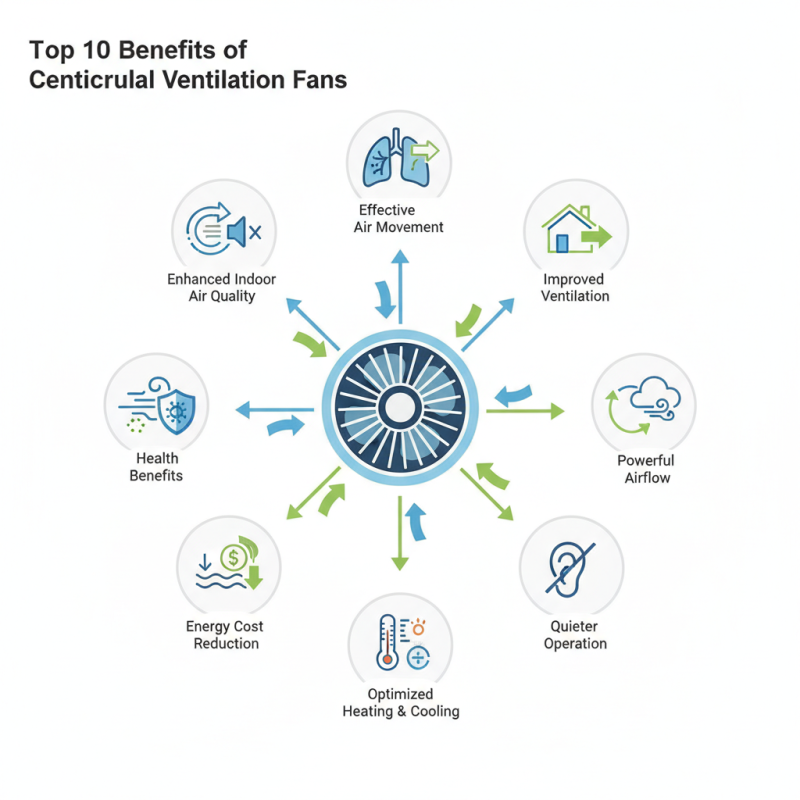
Centrifugal Ventilation Fans play a crucial role in enhancing indoor air quality. They effectively move large volumes of air, making improvements in ventilation systems. These fans create a powerful airflow, which can help in various environments, from industrial spaces to residential areas.
Many people overlook the importance of efficient ventilation. Poor air circulation can lead to health issues and discomfort. Centrifugal Ventilation Fans address these problems by providing a consistent airflow. This leads to a fresher environment, reducing humidity levels and eliminating stale air.
Moreover, the benefits extend beyond comfort. These fans can reduce energy costs by optimizing heating and cooling systems. Their design often aids in quieter operation, minimizing noise pollution. When selecting the right fans, consider factors like size, efficiency, and placement. Embracing the power of Centrifugal Ventilation Fans can transform your space in significant ways.
Understanding Centrifugal Ventilation Fans: An Overview
Centrifugal ventilation fans play a crucial role in maintaining air quality and comfort in various environments. These fans use centrifugal force to move air efficiently. They are designed for high airflow with relatively low noise. This balance makes them ideal for spaces that require effective ventilation without disruptive noise levels.
According to a study by the American Society of Heating, Refrigerating and Air-Conditioning Engineers (ASHRAE), effective ventilation reduces air contaminants by over 80%. This efficiency significantly improves indoor air quality over traditional fan designs. However, it's essential to understand that not all centrifugal fans are created equal. The wrong choice can lead to reduced performance.
Tips: Consider fan size according to your space. Larger areas might need multiple fans for optimal air distribution. Another point for reflection: maintenance is key. Regularly clean and check fan components to ensure peak performance. Neglecting this can lead to increased energy consumption and reduced airflow.
In summary, centrifugal fans are vital for enhancing indoor environments. Proper installation and routine maintenance can maximize benefits. But remember, choosing the right fan and maintaining it well is critical for long-term performance.
Key Advantages of Using Centrifugal Fans in Various Environments
Centrifugal ventilation fans offer distinct advantages in various environments. These fans use high-speed rotating impellers to move air efficiently. This technology results in improved air circulation and temperature control.
In industrial settings, centrifugal fans provide essential ventilation. They effectively remove contaminants and regulate air quality. Reports indicate that improved air quality can enhance worker productivity by up to 15%. This is significant, considering the costs associated with poor air ventilation.
Tip: Regular maintenance of centrifugal fans boosts their efficiency. This simple step can prevent larger issues down the line.
In commercial spaces, centrifugal fans contribute to energy savings. They can be tailored to specific needs, reducing energy wastage. According to recent studies, using energy-efficient fans can lower electricity costs by around 30%. However, careful consideration is needed. Selecting the right fan often requires an analysis of airflow needs and space layout.
Tip: Conduct airflow assessments before installation. This can prevent mismatches that lead to inefficient operation.
Optimizing fan performance is not just about installation. Over time, dust and debris can accumulate, reducing efficiency. Ensure that there is a cleaning schedule in place. It’s a crucial step that many overlook, yet it can lead to significant improvements.
Energy Efficiency: How Centrifugal Fans Save on Energy Costs
Centrifugal ventilation fans are an excellent choice for energy efficiency. According to a report from the U.S. Department of Energy, proper ventilation can reduce energy consumption by up to 30%. This is significant for commercial spaces where energy costs can escalate quickly. Centrifugal fans work by moving air efficiently, producing high pressure with less energy compared to axial fans.
These fans also operate quietly, which is crucial in workspaces where noise can disrupt productivity. The noise level can affect the comfort of employees. In many cases, businesses find that investing in energy-efficient fans results in a return on investment over time. The initial cost of installation must be considered, though. Not all spaces may benefit equally from this technology.
Regular maintenance of these fans is essential. Dust and debris can impact their efficiency and lifespan. Some users underestimate this upkeep. In some scenarios, neglecting fan maintenance has led to increased energy costs. This shows that energy savings can be compromised by lack of care. Thus, businesses need to find a balance between efficiency and routine maintenance.
Top 10 Benefits of Centrifugal Ventilation Fans for Your Space
| Benefit |
Description |
Energy Savings (%) |
| Improved Air Circulation |
Enhances air flow throughout the space, ensuring even distribution. |
15 |
| Energy Efficiency |
Uses less energy compared to traditional fans, reducing electricity costs. |
20 |
| Low Noise Levels |
Operates quietly, making it suitable for residential and work environments. |
10 |
| Durability |
Built to last with minimal maintenance needs, offering longevity. |
5 |
| Versatile Applications |
Can be used in various settings including industrial, commercial, or residential. |
12 |
| Enhanced Comfort |
Creates a more comfortable environment by maintaining optimal temperature. |
18 |
| Easy Installation |
Simple installation process that can save on labor costs. |
8 |
| Safety Features |
Includes safety mechanisms to prevent overheating and electrical issues. |
3 |
| Eco-Friendly Option |
Helps reduce carbon footprint by conserving energy. |
25 |
| Cost Effective |
Long-term savings on energy bills make it a smart investment. |
30 |
Improving Air Quality and Circulation with Centrifugal Fans
Centrifugal ventilation fans are essential for enhancing air quality and circulation. They work by drawing in air at the center and pushing it outwards. This process creates a powerful airflow that effectively removes stale air and replaces it with fresh air. With their high efficiency, they can significantly improve indoor environments, making spaces more comfortable.
Tips for choosing the right centrifugal fan include considering the size of your space. A larger area may require a more powerful fan for optimal air circulation. Also, think about the noise level. Fans designed for quieter operation can enhance comfort without disrupting activities. Don’t forget to think about maintenance; regular cleaning can prevent dust buildup and maintain efficiency.
Air quality impacts health and productivity. Stale air can lead to fatigue and decreased focus. Installing a centrifugal fan can help mitigate these issues. However, some fans might require specific installation that could be challenging. Reflect on the location and airflow patterns. Sometimes, the fan isn’t the only issue; furniture placement can block airflow too. Be prepared to adjust your space for the best outcomes.
Top 10 Benefits of Centrifugal Ventilation Fans
Applications of Centrifugal Ventilation Fans in Different Industries
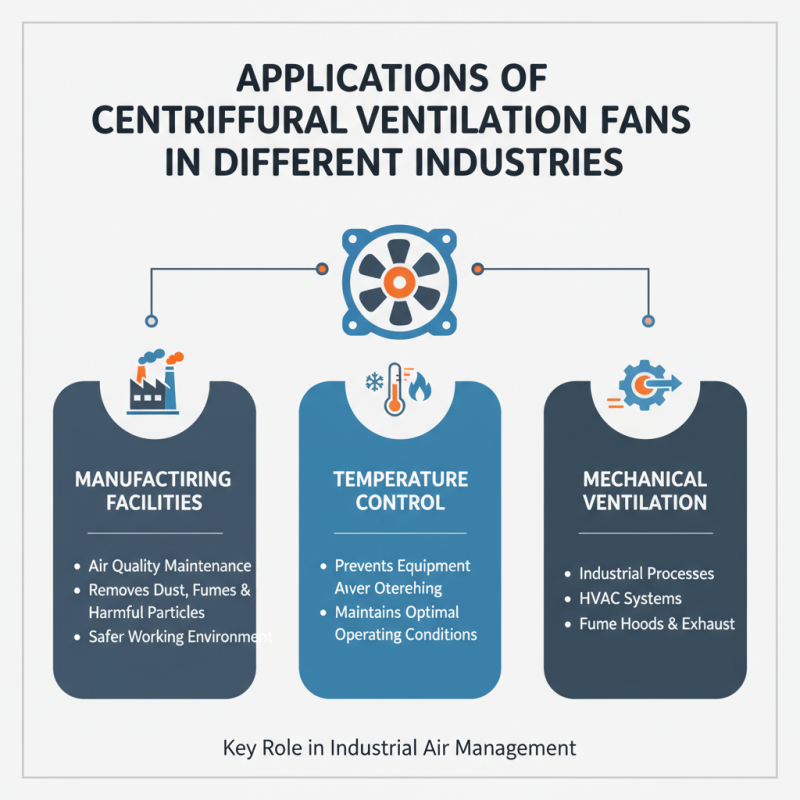
Centrifugal ventilation fans play a crucial role across various industries. They are often found in manufacturing facilities, where maintaining air quality is vital. These fans help remove dust, fumes, and harmful particles, ensuring a safer work environment. They also aid in temperature control, keeping mechanical equipment from overheating.
In the food processing industry, these fans are essential for effective ventilation. Proper air circulation helps in preserving product freshness. They reduce humidity levels, preventing mold growth and spoilage. However, some setups may require adjustments over time. Poorly placed fans can lead to stagnant air pockets, which might compromise food safety.
In commercial buildings, centrifugal fans contribute to HVAC systems. They facilitate better airflow, promoting comfort for occupants. Variable-speed options allow for adjustments based on occupancy. Despite their benefits, meeting specific building codes can be challenging. It's essential to regularly inspect and maintain these systems to avoid operational hiccups. Proper planning and installation make a significant difference.