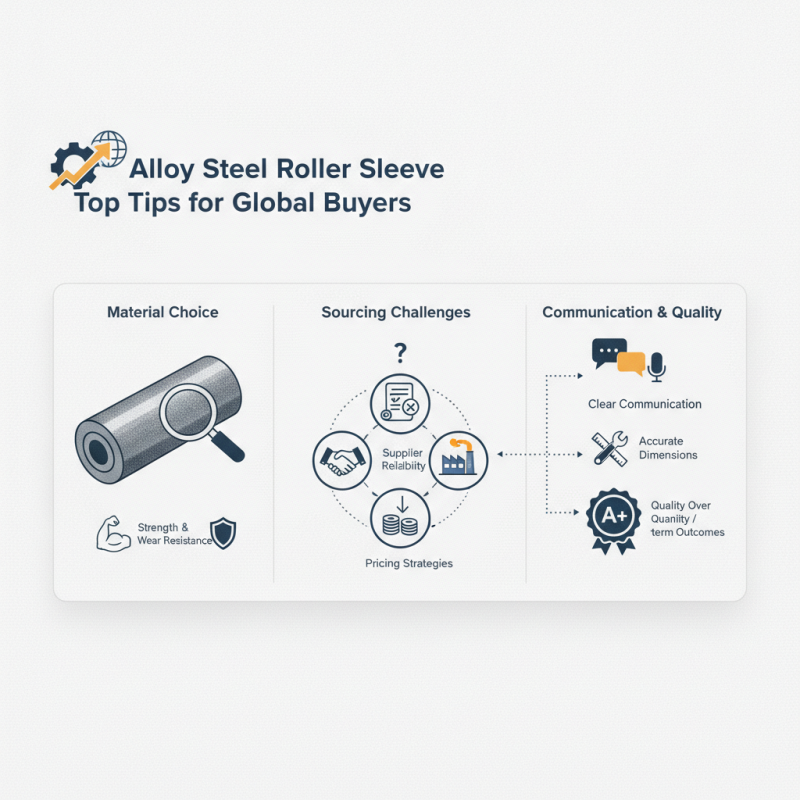
Alloy Steel Roller Sleeve Top Tips for Global Buyers?
In the competitive landscape of manufacturing, the demand for high-quality components like the Alloy Steel Roller Sleeve is ever-increasing. Industry expert Dr. Martin Chen remarks, “Selecting the right material is crucial for the longevity of any mechanical system.” His insights reflect the importance of choosing durable materials crafted from alloy steel, known for its exceptional strength and resistance to wear.
When sourcing Alloy Steel Roller Sleeves, global buyers face several challenges. They must consider factors such as material grades, suppliers’ reliability, and pricing strategies. Many buyers overlook the significance of proper specifications, which can lead to mismatched expectations. The quality of alloy steel directly influences performance, making it essential to prioritize manufacturers with proven track records.
Additionally, communication with suppliers is key. Buyers often underestimate how critical clear dialogue is in ensuring their specific needs are met. Mistakes happen; sometimes the wrong dimensions are ordered. Such oversights can result in costly delays and project setbacks. To prevent this, buyers should engage in thorough discussions and request samples when possible. Emphasizing quality over quantity will lead to better long-term outcomes in the Alloy Steel Roller Sleeve market.
Alloy Steel Roller Sleeve: Understanding Material Properties and Grades
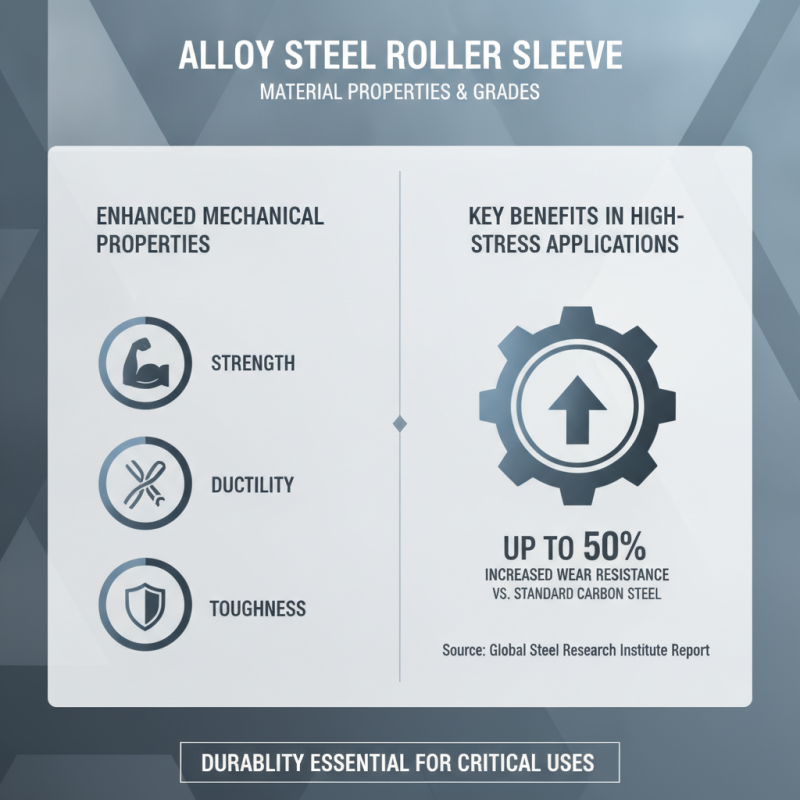
When considering alloy steel roller sleeves, understanding the material properties is crucial. Alloy steels are known for their enhanced mechanical properties, including strength, ductility, and toughness. A recent report by the Global Steel Research Institute highlights that using alloy steel can increase wear resistance by up to 50% compared to standard carbon steel. This is particularly beneficial in high-stress applications where durability is essential.
Grades of alloy steel, such as 4140 and 4340, have distinct characteristics. Grade 4140, for example, contains chromium and molybdenum, enhancing its strength and hardness after heat treatment. In contrast, 4340 is often chosen for its superior toughness and fatigue resistance. However, buyers must recognize the trade-offs; better performance may come at a higher cost and the need for specific processing methods.
The choice of alloy steel must also consider environmental factors. Corrosion resistance can vary significantly among grades. For instance, adding nickel can improve resistance but complicates welding processes. Buyers should weigh these details carefully. Obtaining expert advice may clarify uncertainties, ensuring that the right alloy steel roller sleeve is selected for the intended application.
Key Factors Influencing the Selection of Alloy Steel Roller Sleeves
When selecting alloy steel roller sleeves, several key factors come into play. The choice of material is crucial. Different alloy compositions offer varying levels of strength, wear resistance, and corrosion resistance. According to industry analysis from the Steel Market Research Report, unique alloys can improve longevity and performance, particularly in high-load or high-speed applications.
Another vital consideration is the manufacturing process. Techniques like forging, machining, and heat treatment can significantly influence the final product's performance. Research indicates that precision engineering often results in more durable products. A report from the International Association of Engineering Steel highlights an increase in component lifespan by 15% when advanced manufacturing techniques are employed.
Additionally, compatibility with existing machinery is essential. Buyers need to ensure the roller sleeves fit seamlessly into their systems. The wrong size can lead to malfunction, creating safety risks and increased downtime. Moreover, feedback from users reveals that selecting the wrong type can lead to costly mistakes. Understanding specific application requirements remains crucial for a successful purchase. The demands of industries like automotive and aerospace call for a thorough assessment to avoid performance issues.
Key Factors Influencing the Selection of Alloy Steel Roller Sleeves
Global Market Trends and Demand for Alloy Steel Components
The global market for alloy steel components has seen a steady rise in demand. Industries across the globe seek durable and reliable materials for applications in mechanics, construction, and automotive sectors. With this increased demand, buyers must keep an eye on key trends affecting the alloy steel market.
One important tip is to stay updated with raw material prices. Fluctuations in supply can lead to price changes, impacting overall project costs. Regularly reviewing industry news helps buyers make informed decisions. Engage with local suppliers to understand availability and potential cost-saving options.
Another tip focuses on the importance of specifications. Each application has unique requirements. Ensuring that the alloy steel roller sleeves meet industry standards is crucial. Consider detailed specifications like tensile strength and corrosion resistance. Being precise avoids future complications related to product performance.
Lastly, leverage technology for better procurement. Online platforms can provide real-time data on availability and pricing. However, be cautious of relying solely on technology for sourcing. It’s important to validate information and build relationships with trusted suppliers. This dual approach can help ensure quality and reliability.
Cost Analysis: Evaluating Pricing Strategies for Buyers in the Industry
When considering alloy steel roller sleeves, understanding pricing strategies is essential for global buyers. Evaluating cost involves analyzing multiple factors such as materials, production methods, and logistics. Fluctuations in raw material prices can significantly affect the total cost. Buyers should stay updated on market trends to make informed decisions.
Researching suppliers is crucial for finding competitive pricing. Look for manufacturers with a proven track record in the industry. Request quotes from several companies to compare prices. This step helps in obtaining a clearer picture of the average market rate. A common mistake is focusing solely on the lowest cost. Quality should never be compromised for a bargain.
Tip: Consider total cost of ownership, not just purchase price. Maintenance and longevity play vital roles in long-term savings. Another key tip is to negotiate terms. Flexible payment options can alleviate upfront costs. Evaluate the impact of transportation costs, as they can alter the overall pricing dynamic significantly. These aspects require careful thought and planning to ensure optimal purchasing strategies in the alloy steel market.
Alloy Steel Roller Sleeve Pricing Analysis
| Supplier Region |
Average Price per Unit ($) |
Shipping Costs ($) |
Lead Time (Days) |
Quality Rating (1-5) |
| North America |
150.00 |
25.00 |
7 |
4.5 |
| Europe |
140.00 |
30.00 |
10 |
4.0 |
| Asia |
120.00 |
20.00 |
14 |
4.2 |
| South America |
160.00 |
35.00 |
5 |
4.3 |
| Africa |
155.00 |
40.00 |
12 |
4.1 |